
Where to Elope: How to Choose the Perfect Elopement Location
Why Eloping Is the Ultimate Way to Say "I Do"
When people hear the word elopement, a lot of them still picture a couple sneaking off to Vegas in the middle of the night. I used to think that too, honestly. Then I watched my first real elopement on a rocky Maine beach in front of a lighthouse, and I was hooked.
So what is an elopement today? It's a wedding ceremony that's focused on the two of you, usually with zero to about 15 guests.
A micro wedding is a little bigger, normally 15 to 50 people, and it still has a lot of the traditional pieces like a reception and a cake. A courthouse wedding is a type of elopement too, it just happens at city hall instead of on a mountain.
Here's the thing nobody told me early on. The guest list is not the biggest difference. The biggest difference is freedom.
When you don't have 150 people to feed and seat, you can get married almost anywhere, like a cliffside at sunrise, a tiny chapel in Scotland or your favorite hiking trail. That's why picking the location is such a big deal, because the place basically becomes the whole experience.
The benefits are pretty clear once you see them in action:
- Lower cost. Couples I've worked with have usually spent a fraction of what a traditional wedding costs, even with travel included.
- Way less stress. No seating charts, no family drama about who sits where. Thank goodness.
- More intimacy. You actually get to feel your vows instead of worrying about the DJ.
- More flexibility. You can pick a Tuesday in October if you want to, and nobody can complain.
I'll admit I was a little skeptical at first. I thought couples would regret not having a big party. But in my experience, the regret almost always goes the other way, people wish they'd eloped sooner!
One quick note, because I get asked this constantly. Yes, you can still include people. Lots of couples bring their parents, a best friend, or even their dog (dogs are the best elopement guests, no contest).
Some couples do a small ceremony with family in the morning and then head off for an adventure session alone in the afternoon. Others skip guests entirely and do a video call or a backyard party when they get home. There's no wrong way to do it.
My best advice? Decide early how many people you want there, because it changes where you can go.
A remote alpine lake is perfect for two people. It's a lot harder with grandma and her walker, and I learned that one the hard way.
Start With Your Story: Define Your Elopement Vision
Before you open Pinterest or Google "best places to elope," stop. Grab a coffee, sit down together, and just talk. I promise this one conversation will save you hours of scrolling later.
I'll tell you about a couple I worked with years ago. They were dead set on a Hawaii beach elopement because it looked amazing in photos.
Then halfway through planning, she admitted she hates sand and he burns in about ten minutes. Oops.
We switched to a misty forest in Washington, and they were so much happier. The lesson was simple. Don't pick a location because it's trending, pick it because it fits you.
Here are the questions I have every couple answer before we look at a single map:
- What landscape makes you feel calm? Mountains, ocean, desert, forest, or a cool city street?
- What do you love doing together? Hiking, road trips, wine tasting, kayaking, sitting by a fire?
- What's your vibe? Adventurous, romantic, relaxed, fancy, or totally bohemian?
- Is there a place with history for you? Where you met, got engaged, or always go on vacation?
- How do you want to feel on the day? Excited and a little wild, or peaceful and slow?
Write your answers down separately first, then compare. It's kind of funny how often couples are surprised by each other's answers!
Once you have answers, start a simple mood board. You don't need anything fancy. A shared Pinterest board or even a folder of screenshots on your phone works great.
Save photos of landscapes, colors, outfits, and moments that make you go "oh, that's us." After a week or two, look at it together. You'll usually see a pattern pop out, like lots of moody mountains or tons of golden beach light.
I made a big mistake early in my career by skipping this step. A couple told me they wanted "something outdoorsy," and I sent them 20 locations.
They got overwhelmed and almost gave up on eloping completely. Ugh, that one still bugs me.
Now I always start with the story. Your elopement vision should match your personalities, your hobbies, and how you want to remember the day. When you get this part right, choosing where to elope stops feeling like a huge decision and starts feeling obvious.
Pro tip: if you're stuck between two styles, think about what you'd want to do the day after your elopement. If the answer is "go on another hike," you're probably mountain people. If it's "sleep in and eat pastries," maybe go with the city.
Set Your Elopement Budget Before You Pick a Place
Okay, let's talk money. I know, not the fun part. But trust me, setting your elopement budget before you fall in love with a location will save you a lot of heartache.
I had a couple once who picked the Dolomites in Italy before they looked at any costs. They were so excited! Then they priced out flights, a local photographer, a planner, and hotels in peak season, and it was almost triple what they had saved.
We ended up finding them a stunning spot in Colorado instead, and they put the difference toward a down payment on a house. Honestly, they told me later it was the best decision they made. But it was a stressful couple of weeks, I won't lie.
Here are the main costs you should plan for:
- Travel: flights, rental car, gas, and baggage fees (wedding dresses don't always love carry-on bins)
- Lodging: usually two to four nights for a destination elopement
- Permits and fees: national parks and public lands often charge a ceremony permit fee, sometimes a few hundred dollars
- Marriage license: this can range from free to over $100 depending on the state or country
- Officiant: unless you're in a state that lets you self-solemnize
- Photographer: elopement photographers often charge anywhere from about $2,500 to $8,000+, depending on hours and travel
- Attire, flowers, hair and makeup
- A celebration dinner afterwards
Then there's the sneaky stuff. Vendor travel fees are a big one, especially if your photographer has to fly in. Park entrance fees, timed entry reservations, guide services, and gear rentals add up fast too.
A local elopement (somewhere within driving distance) almost always costs less than a destination elopement. You skip flights and can sometimes skip a hotel. But if you're dreaming of Iceland or Scotland, don't give up, just plan for it.
Here's how I've seen couples stretch their budget the most:
- Go off-season. Lodging in mountain towns can drop a lot in shoulder seasons like late spring or late fall.
- Pick a weekday. Vendors are more flexible and sometimes a little cheaper Monday through Thursday.
- Look at elopement packages. Some planners bundle photography, officiant, and permits together, which can be easier on the wallet.
- Skip what you don't care about. No one is making you buy a cake. Seriously.
My rule of thumb is to add 10 to 15 percent on top of your total for surprises. Something always comes up. A flat tire, a forgotten veil, an extra night because of weather, it happens.
Timing Is Everything: Choose the Right Season and Time of Day
I'll never forget the summer I stood with a couple at a famous overlook in Colorado at 2 p.m. on a Saturday. It was packed with tourists, the light was harsh, and a thunderstorm was rolling in right on schedule. That was the day I started pushing hard for sunrise ceremonies.
The season you choose changes everything about your elopement location. Weather, crowds, road closures, and even what you'll wear all depend on it. So let's break it down by landscape.
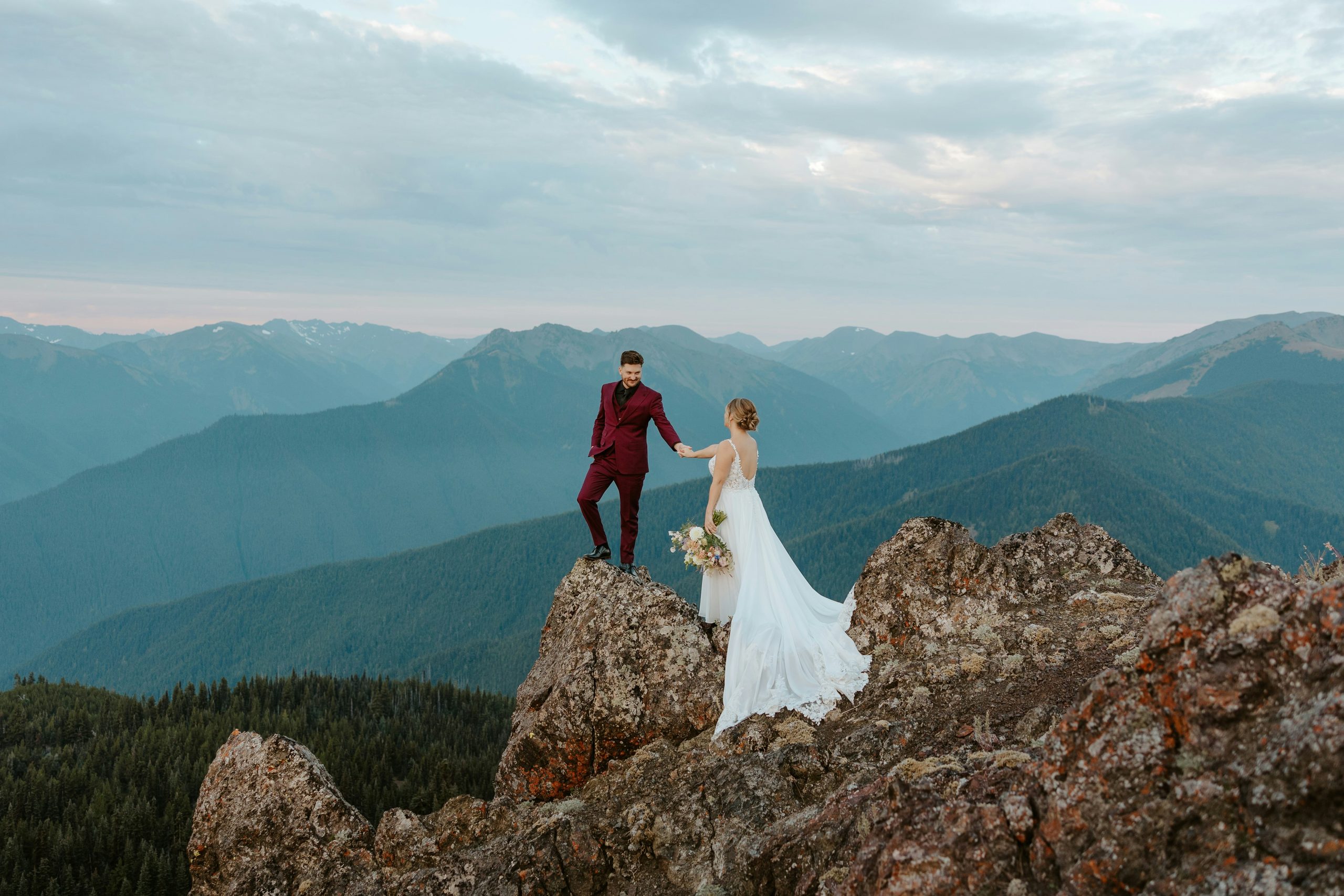
Mountain elopements: In the Rockies, July through September is the main window for high-elevation spots because many roads and trails are snowed in the rest of the year. But afternoon thunderstorms are super common in summer, so morning ceremonies are your friend. Late September is my personal favorite for golden aspen leaves.
Beach elopements: It depends a ton on the coast. The Oregon Coast can be gorgeous in late summer and early fall, while Hawaii is pretty great year-round (though winter brings bigger surf on north shores). Always check tide charts, I've had a ceremony spot completely disappear under water. Not fun.
Desert elopements: Spring and fall are the sweet spots in places like Utah and Joshua Tree. Summer temperatures can be dangerous, and I'm not exaggerating. Winter can be beautiful too, but it gets cold fast once the sun goes down.
Northern spots like Iceland or Norway: Summer gives you almost endless daylight, which is wild for photos. If you want a chance at the northern lights, you'll want to plan between roughly September and March, when the nights are dark enough.
Now let's talk time of day. Sunrise and sunset are the absolute best for photos because of that soft golden hour light. Sunrise has one huge bonus though, it's way more private.
Yes, sunrise means waking up at 3 or 4 a.m. Yes, couples groan when I suggest it. But almost every single one has told me afterward that having a famous spot all to themselves was worth every yawn.
Here's my biggest piece of advice: build in flexibility. Pick a backup date if you can, or at least a backup time. Mountain weather and coastal fog can change in an hour, and having a rain plan (or a "we'll do it tomorrow morning" plan) takes so much pressure off.
Oh, and quick tangent, check for local events before you book! I once had a couple accidentally book their elopement during a huge marathon in a small mountain town. Every road was blocked and every restaurant was full.
Understand Marriage Laws, Permits and Legal Requirements
This is the section where couples' eyes glaze over. I get it. But skipping this stuff is the number one way an elopement goes sideways, so stick with me.
First, decide if you want your elopement to be legally binding at your location or just a symbolic ceremony. Some couples handle the legal paperwork at their local courthouse and then do the "real" ceremony somewhere beautiful. Both are totally valid.
If you want it legal on the day, you need to research the marriage license rules where you're eloping. Every state and country is a little different. Here are the big things to look for:
- Waiting periods. Some states have none, like Nevada. Others make you wait after getting the license, like New York's 24-hour wait or Texas's 72-hour wait.
- License expiration. In Hawaii, for example, your license is good for 30 days, so you can't get it too early.
- Witnesses. Many states require one or two witnesses. Colorado doesn't require any.
- Officiant rules. Colorado and a few others, like Pennsylvania and Washington, D.C., allow self-solemnization, which means the two of you can marry yourselves with no officiant. Super cool for a couple-only elopement!
I made a rookie mistake on this once. I assumed a couple's license from one state would work in the next state over.
It doesn't, the license has to be issued by the state you're getting married in. We figured it out a week before, thank goodness.
Next up is permits. Most national parks require a special use permit for wedding ceremonies, even if it's just the two of you. Some parks limit the number of guests, restrict certain locations, and only allow a set number of ceremonies per day.
Apply early. I'd say at least two to three months out for popular parks, more for peak season. Some spots fill up fast, and the permit process can take weeks.
A few other rules that catch people off guard:
- Drones are banned in all U.S. national parks, so don't plan on aerial shots there.
- No confetti, rice, or flower petals at most public land sites. Leave No Trace applies on your wedding day too.
- Some parks don't allow chairs or arches at certain viewpoints.
Eloping abroad adds more layers. Scotland requires you to give notice at least 29 days before your wedding. France has a residency requirement that makes a legal ceremony really hard for visitors, so most couples do a symbolic ceremony there.
When in doubt, call the county clerk or park office directly. They are usually really helpful and it's much better than guessing.
Think About Accessibility, Travel and Logistics
Picture this. You've picked the most incredible alpine lake, the photos online look unreal, and then you find out it's a nine-mile hike with 3,000 feet of elevation gain.
In your wedding dress. Hmm.
That's basically what happened with one of my couples. They were game for it, but her mom had planned to come along. We had to completely rethink the plan, and I felt terrible that I hadn't asked about guests sooner.
So before you lock in where to elope, think honestly about how you'll actually get there. Here's what I always look at.
How far are you willing to travel? Consider how much time off you have. A destination elopement in New Zealand is amazing, but if you only have four days, you'll spend most of it on airplanes and fighting jet lag.
How physically demanding is it? I sort locations into three buckets:
- Easy access: roadside overlooks or short walks under half a mile, great for guests or anyone with mobility needs
- Moderate: a one- to three-mile hike, very doable for most healthy couples
- Adventurous: long hikes, backpacking, or spots reached by helicopter, boat, or 4x4
There's no right answer, but be realistic. A strenuous hike at high altitude is no joke if you live at sea level. Give yourself a day or two to adjust if you can.
Who else is coming? If you have older family members, little kids, or anyone who uses a wheelchair, choose a location with paved paths or a short, flat walk. A lot of national parks have gorgeous viewpoints right off the road.
Where will you get ready? This sounds small, but it isn't. You need a cabin, hotel, or Airbnb nearby with decent light and enough space for your dress and gear.
Then there are the practical details nobody thinks about until it's too late:
- Cell service. A lot of remote spots have none. Download offline maps and share your plans with someone at home.
- Parking. Some trailheads fill up by 7 a.m., and some parks now require timed entry reservations.
- Restrooms. Trust me, you want to know where the nearest one is.
- Food. Pack snacks and water. Hangry brides and grooms are real.
I keep a little logistics checklist on my phone now for every location. It's not glamorous, but it's saved more elopement days than I can count.
Prioritize Privacy and Avoid the Crowds
There's nothing quite like saying your vows while a tour bus unloads 40 people right behind you. I wish I was joking. That happened at a very popular viewpoint in Utah, and the couple handled it with grace, but you could tell they were bummed.
So if privacy matters to you (and for most eloping couples it really does), you need a plan. Popular elopement spots get busy, especially on weekends, holidays, and during peak season. Famous places like Horseshoe Bend, Moraine Lake, or Delicate Arch are basically never empty in the middle of the day.
Here's what I've learned works best.
Go early. I know I keep saying it, but sunrise really is the secret weapon. You'll often have a spot almost to yourself for the first hour of light. By 9 a.m., the crowds roll in.
Pick a weekday. A Tuesday sunrise is about as private as it gets in most parks. Weekends and summer holidays are the busiest.
Look for hidden gems. For almost every famous overlook, there's a lesser-known one nearby with a similar view. A local elopement photographer or planner is gold here, because they know the spots that aren't all over Instagram.
Consider private land. This is underrated. Cabins, vineyards, ranches, and Airbnbs with big views give you total privacy. Plus there are fewer rules about guest counts, chairs, and decorations.
I'll share a small frustration. A few years back, I shared a secret little meadow spot online with a location tag.
Within a year, it was trampled and had a social trail cutting right through it. I felt awful.
That's why I'm big on Leave No Trace now. Here's how it applies to your elopement:
- Stay on durable surfaces like rock, gravel, or established trails
- Don't pick wildflowers or move rocks for a "better" photo
- Skip confetti, petals, and sky lanterns
- Pack out everything, including bouquet wrappings and champagne corks
- Think twice before geotagging a fragile, little-known spot
Protecting these places means future couples get to enjoy them too. It's kind of the least we can do.
One last tip. Even at a busy spot, people are usually really respectful once they realize a wedding is happening.
A friendly "Hey, we're getting married here in a few minutes!" goes a long way. I've even had strangers cheer, which was honestly kind of sweet.
Explore the Best Places to Elope in 2026
Alright, this is the fun part! Below are some of my favorite elopement destinations, grouped by landscape. I've been to a lot of these, and a few are still on my own bucket list.
Mountain Elopements
- Colorado: Self-solemnization and no witness requirement make it super easy. Rocky Mountain National Park and the San Juan Mountains are stunning. Best in July through early October.
- Banff and Jasper, Canada: Turquoise lakes and huge peaks. Parks Canada requires permits for ceremonies at many sites. Late June through September is ideal.
- Washington's North Cascades: Way less crowded than other national parks and super dramatic. Go July through September.
- The Swiss Alps: Fairy-tale villages and cable cars to the mountaintops. Summer is best for hiking.
Coastal and Beach Elopements
- Big Sur, California: Rugged cliffs and moody fog. Spring and fall tend to have the best weather.
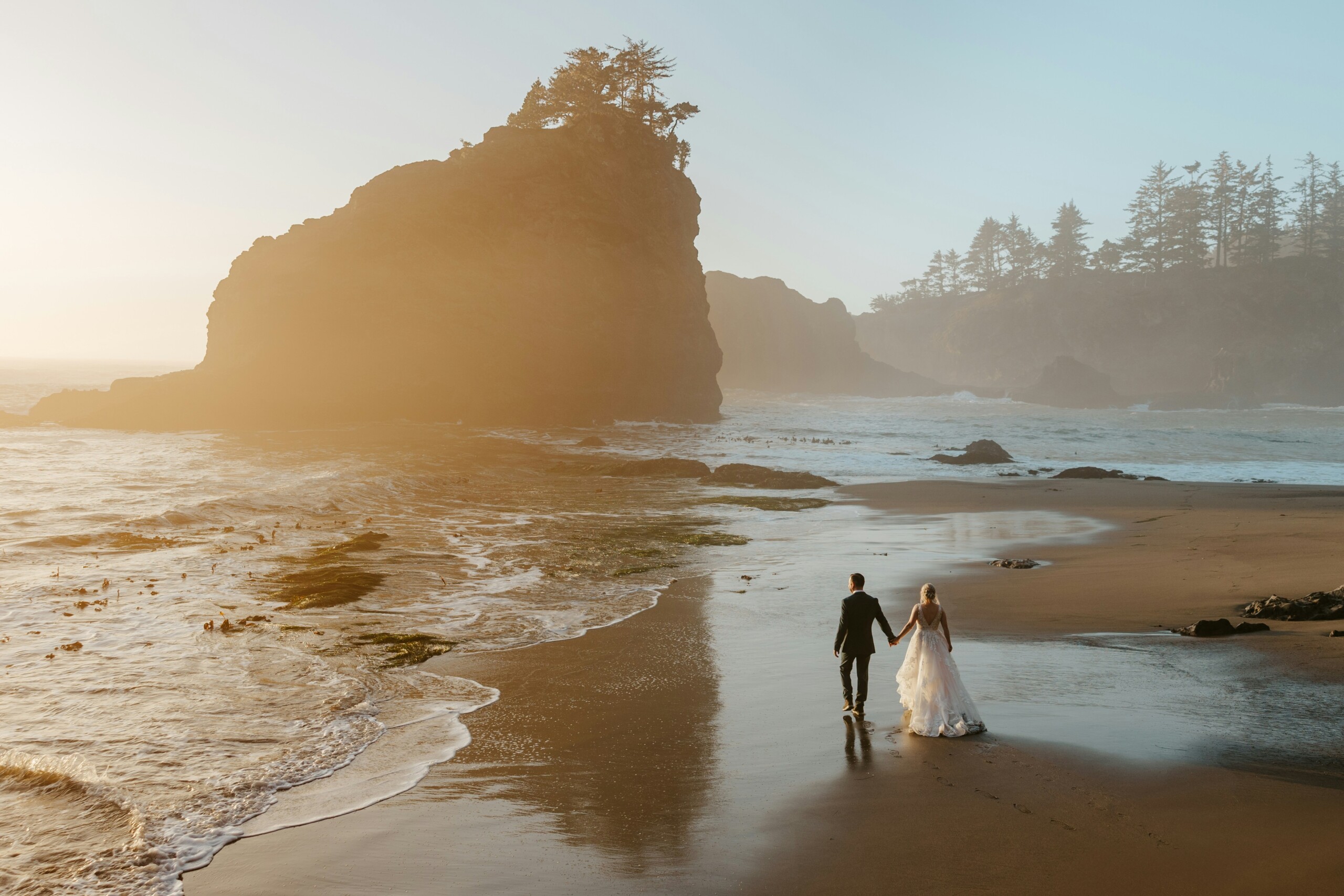
- Oregon Coast: Sea stacks, tide pools, and dramatic sunsets. Late summer is usually your best shot at clear skies.
- Maui, Hawaii: No waiting period for a marriage license, and it's warm year-round.
- Amalfi Coast, Italy: Lemon groves, colorful towns, and amazing food. May, June, and September avoid the worst of the summer crowds.
Desert Elopements
- Southern Utah: Arches, Canyonlands, and the area around Moab. Spring and fall are perfect.
- Joshua Tree, California: Funky trees and huge boulders. Go October through April.
- Sedona, Arizona: Red rocks that glow at sunset. Very easy for guests to get to.
Forest and Waterfall Elopements
- Pacific Northwest: Moss-covered rainforests in Olympic National Park. Bring a rain jacket, seriously.
- Great Smoky Mountains: Waterfalls, misty ridges, and great fall color in October.
- Iceland: Black sand beaches, glaciers, and waterfalls everywhere. Summer for midnight sun, fall and winter for a shot at the northern lights.
Dramatic International Destinations
- Scotland: Castles, highlands, and moody skies. You can get legally married outdoors almost anywhere with a registered celebrant, just give notice 29 days ahead.
- Ireland: Cliffs, green hills, and cozy pubs for after.
- Norway: Fjords that will literally take your breath away.
- The Dolomites, Italy: Jagged peaks and alpine huts. July through September.
- New Zealand: Every landscape on this list, all in one country.
City and Courthouse Elopements
- New York City: City Hall plus a photo walk through Central Park or DUMBO.
- Paris: Mostly symbolic ceremonies, but the photos are just unreal.
- New Orleans: Colorful streets and amazing food and music.
- Las Vegas: Fast, easy licenses and so much fun if you lean into it.
Honestly, I had a hard time narrowing this list down. If you're stuck, pick your top three and look at the logistics for each. Usually one of them just clicks.
Hire Vendors Who Know Your Elopement Location
I'll be honest, this is the one where I'm a little biased. But after years of doing this, I really believe the right local vendors make or break an elopement.
Here's a story. A couple once hired a photographer who had never been to Iceland, because they loved their portfolio.
The photographer showed up, didn't know the roads, didn't know which spots needed permits, and they lost almost three hours driving around looking for a waterfall trail that was closed for the season. The couple was so frustrated, and I totally understood why.
A local elopement photographer or planner already knows all of that. They know where the crowds are, when the light hits just right, and which trails are flooded in spring. That kind of knowledge is honestly priceless.
Here's what a great local vendor can help with:
- Location scouting, including hidden gems you won't find online
- Permits, which they've often applied for dozens of times
- Timing, like sunrise and sunset times and weather patterns
- Backup plans if there's a storm, fire closure, or road issue
- Vendor recommendations for officiants, florists, and hair and makeup
When you're interviewing vendors, ask specific questions. Don't just ask "have you been there?" Ask these instead:
- How many elopements have you done at this exact location?
- Do you know the permit process, and can you help with it?
- What's your backup plan for bad weather?
- What time of day do you recommend here, and why?
- Are there any travel fees, and what do they include?
If they can answer those without hesitating, that's a great sign.
Beyond your photographer, here's who else you might want to book:
- An officiant (unless you're self-solemnizing)
- A florist who knows what's in season locally and can make a bouquet that travels well
- Hair and makeup artists who are willing to come to your cabin at 3 a.m. (yes, they exist!)
- A private chef or a great local restaurant for your celebration dinner
And then there's the elopement planner. Some couples think a planner is overkill for a wedding with two people.
I used to think that too. But a planner handles the permits, vendor coordination, timeline, and backup plans so you can actually be present on your day.
My best advice is to book your photographer and planner first, since they often book up a year in advance for popular dates. Everything else can come after.
Plan the Perfect Elopement Day Experience
One of the best things about eloping is that the whole day is yours. There's no reception schedule, no one waiting on you for the cake cutting. You get to design a day that actually feels like you.
I'll admit, the first few elopements I helped with were kind of rigid. We'd do the ceremony, take photos, and then the couple would just...
go back to the hotel. It felt a little anticlimactic, honestly.
Now I help couples plan a full experience. Here are three sample elopement timelines that work really well.
Half-day elopement (4 to 6 hours)
- 4:00 a.m. Getting ready at your cabin
- 5:30 a.m. Short hike to the ceremony spot
- 6:15 a.m. Sunrise ceremony and vows
- 6:45 a.m. Portraits in golden hour light
- 8:00 a.m. Champagne and a picnic breakfast
Full-day elopement (8 to 10 hours)
- Sunrise ceremony at a mountain overlook
- Brunch at a local café
- Afternoon nap (do not skip this, trust me)
- An activity like kayaking, a jeep tour, or hot springs
- Sunset portraits and a private dinner
Multi-day adventure elopement
- Day one: getting ready, first look, and ceremony
- Day two: a hike or helicopter tour to a second location for more photos
- This is great if you want lots of different landscapes or a backup weather day
Now for the personal touches. This is my favorite part!
- Read letters from family during your ceremony. I've watched tough guys absolutely lose it reading a letter from their dad.
- Write your own vows. Keep them under two minutes if you're nervous, and write them on a vow book, not your phone.
- Do a first look at a quiet spot before the ceremony.
- Bring a picnic with your favorite snacks and a bottle of something bubbly.
- Include a ritual like a handfasting, a unity tree planting, or swapping hiking boots.
For celebrating afterward, think about what you love. Some couples book a fancy dinner with a private chef in their cabin. Others hit up a favorite taco truck in their wedding clothes, which is honestly one of my favorite things ever.
Then there's sharing the news. Lots of couples send out elopement announcements with a few favorite photos. Others throw a casual backyard party or a post-elopement reception when they get home.
One thing I've learned the hard way: tell close family ahead of time if you think feelings might get hurt. A quick heads up, or even a video call during the ceremony, can make a huge difference.
Quick Checklist: How to Choose Your Elopement Location
If you've made it this far, you're officially more prepared than I was when I started doing this! But I know it's a lot of info, so here's a simple checklist to bring it all together.
I actually started using a version of this checklist after a pretty rough season. I had three couples in one summer run into avoidable problems, a missed permit, a closed road, and a lot of wind on an exposed ridge. After that, I decided no couple would ever pick where to elope without checking every box.
1. Define your vision and vibe
- Talk about what landscapes make you happy
- Decide on your style: adventurous, romantic, relaxed, or luxe
- Make a quick mood board together
2. Set your budget
- List travel, lodging, permits, vendors, and attire
- Add 10 to 15 percent for surprises
- Decide between a local elopement or a destination elopement
3. Pick your season and time of day
- Check weather, crowds, and road closures for your dates
- Look up sunrise and sunset times
- Choose a backup date or time if you can
4. Check legal requirements and permits
- Look up marriage license rules, waiting periods, and witness requirements
- Find out if you need a special use permit
- Check rules on drones, decorations, and guest counts
5. Confirm accessibility and travel
- Figure out how long it takes to get there
- Match the hike difficulty to everyone who's coming
- Book a place nearby to get ready
6. Plan for privacy and a backup
- Pick a weekday or sunrise for fewer crowds
- Have a second spot in mind in case of weather or closures
- Brush up on Leave No Trace
7. Book local vendors
- Hire a photographer or planner who knows the area
- Ask about their experience, permits, and backup plans
- Book officiant, florist, and hair and makeup next
Here's a little bonus tip that isn't on the checklist. Once you've narrowed it down to one or two places, look at real photos from the same time of year you're going. Not the edited Instagram shots, but regular trip photos and reviews.
A spot that looks lush and green in June might be brown and dusty by September. Or snow might still be covering the trail you planned on. I've seen it happen more than once, and it's always a bummer to find out the week before.
If you can tick off every item on this list, you've found your spot. Seriously!
Choosing your elopement location doesn't have to be stressful when you take it one step at a time.
